If you suffer from varicose veins, you know how frustrating they can be. They are unsightly, but they can also be uncomfortable and painful. In this blog post, we will review exercises that are safe to do and those you should avoid. So keep reading to learn how to improve your vein health and look your best!
How do varicose veins develop?
Before we discuss safe exercises for varicose veins, let’s take a moment to understand why they are needed in the first place.
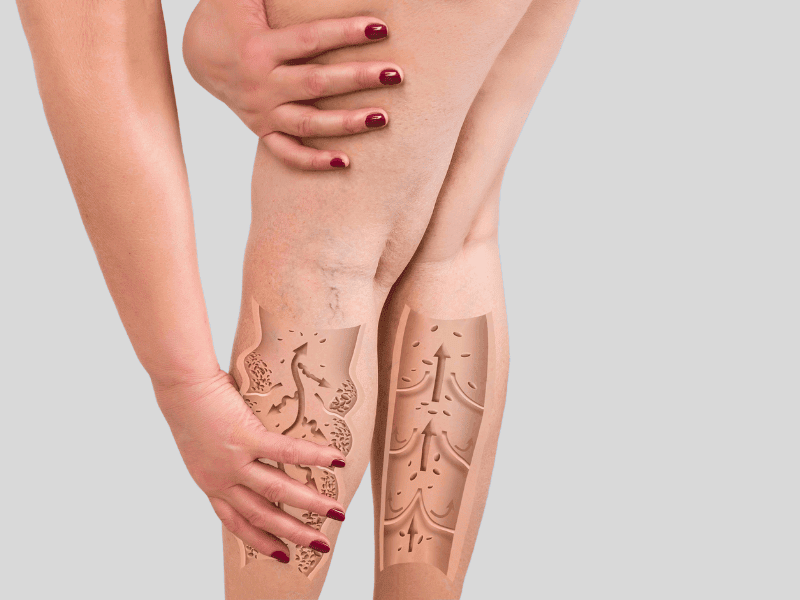
Varicose veins occur when the veins that carry blood from your legs back up to your heart stop working correctly due to faulty valves in these veins. When the valves are weakened, blood can then pool in the vein and cause it to become enlarged and twisted. As the vein gets bigger, it becomes more and more difficult for the blood to flow through it and up to the heart, which can result in pain, swelling, and a feeling of heaviness in your leg.
Physical exercise is essential for individuals with varicose veins because it improves circulation and the overall function of the veins. When you exercise, the muscles in your leg contract and push the blood back up to your heart, which keeps the veins healthy and functioning properly.
How do physical exercises benefit varicose veins?
As we mentioned, when you exercise, the muscles in your leg contract and push the blood back up to your heart. This helps keep the veins healthy and functioning properly. In addition, exercise also helps to do the following:
Improve the overall function of the veins.
Strengthen the walls of the blood vessels, which can prevent them from bulging or bending.
Improve your overall mood and sense of well-being.
What safe physical exercises can you do if you have varicose veins?
There are a variety of exercises for people with varicose veins. Read on to learn six ways you can exercise safely and how to improve the symptoms related to varicose veins.
1. Walking
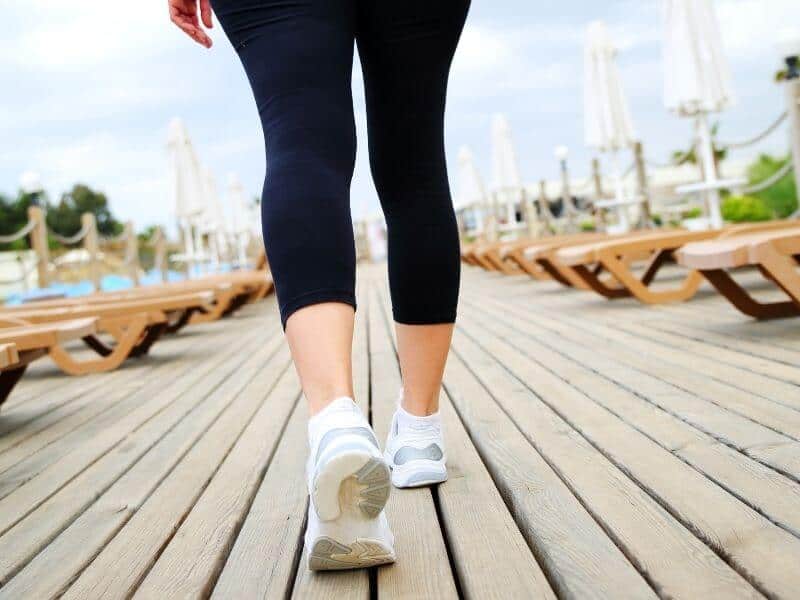
Walking is one of the best exercises for people with varicose veins. It is low impact, easy to do, and can easily be incorporated into your daily routine. In addition, walking helps improve your veins’ overall function by boosting blood flow, increasing blood circulation, and reducing swelling and pain in the legs.
2. Swimming
Swimming is another excellent exercise for people with varicose veins. The water helps support your body and takes the pressure off your veins. Like walking, swimming is low-impact and is a great way to ease the symptoms associated with varicose veins, such as swelling and pain.
3. Stationary bike cycling
Stationary cycling is a great way to improve your overall fitness level, strengthen your calf muscles, improve blood circulation, and reduce swelling. Stationary bike cycling is also a gentle, low-impact exercise on your joints.
4. Yoga
Yoga is a wonderful, gentle exercise for people with varicose veins. It helps improve flexibility, strength, and balance. In addition, yoga can help reduce stress and tension, which can aggravate varicose veins.
5. Stretching
Stretching is good for those who suffer from varicose veins. It helps improve your flexibility and range of motion. In addition, stretching can help reduce pain and tension in the leg muscles.
6. Leg lifts
Leg lifts can strengthen your calf muscles, which help support blood vessels in the leg, preventing them from swelling and stretching. In addition, this form of exercise can help with weight loss, which is important as obesity is one of the leading causes of varicose veins.
What types of physical exercises should be avoided if you have varicose veins?
Certain forms of physical exercises should be avoided and reconsidered if you suffer from varicose veins, as you do not want to worsen or aggravate them further, such as:
1. Running
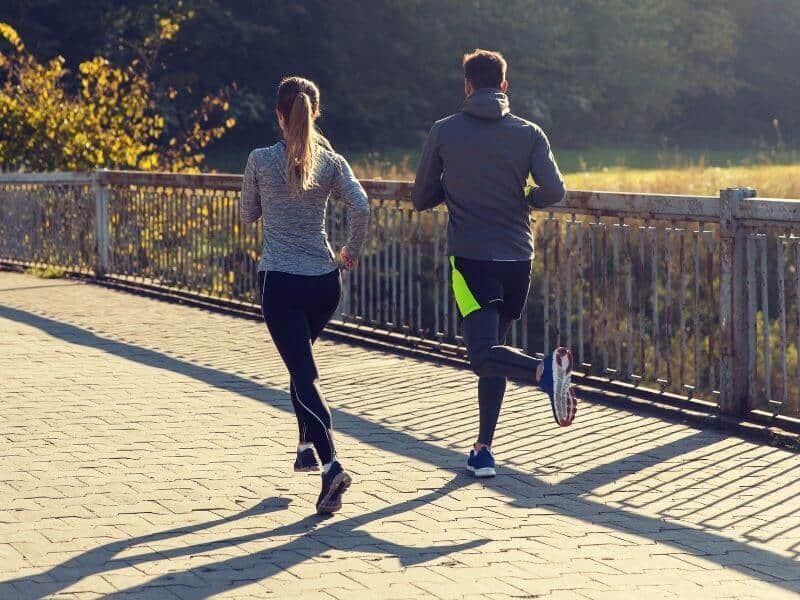
Running is a high-impact exercise that can be hard on your veins and joints. In addition, running can also lead to muscle fatigue, which can aggravate varicose veins.
Weightlifting
Weightlifting can aggravate the symptoms of varicose veins due to the increased strain put upon the veins when lifting heavier amounts of weight. The pressure can cause pain and swelling, which may cause your veins to enlarge and lead to potential blood clots.
Jumping
Jumping should be avoided if you have varicose veins. The increased stress on your leg muscles from jumping may cause them to expand and contract, which could make the problem worse for some people who already suffer from this condition!
Aerobic exercise
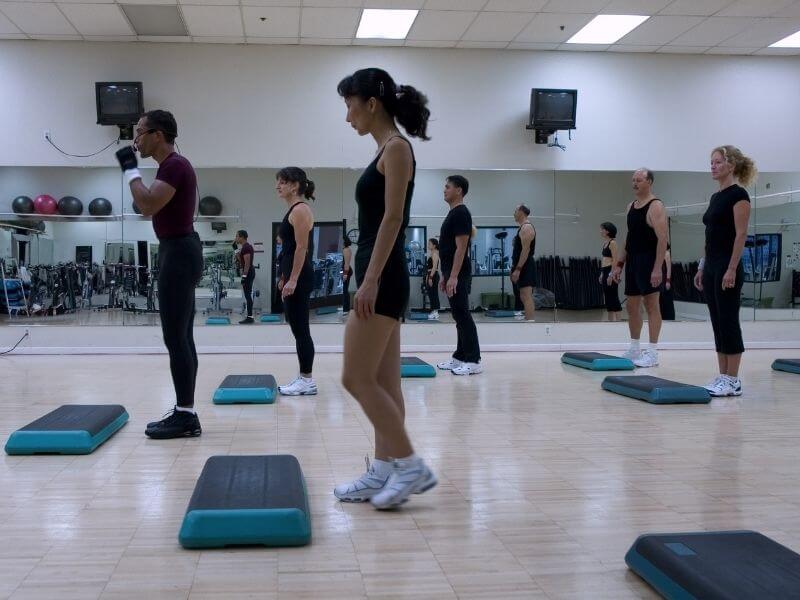
Aerobic exercise is great for overall fitness, but it can be hard on your veins. You risk putting excessive pressure on your veins when you do aerobic exercises, which can cause them to enlarge and weaken, increasing the symptoms associated with varicose veins.
Squats
Squats work to strengthen your leg muscles. However, you may want to avoid this form of exercise if you have varicose veins, as they add increased pressure on your veins, making them worse and uncomfortable.
Will exercise help reduce the varicose veins in my legs?
Although exercise will not cure or make varicose veins go away, it can help improve the overall function of your blood flow and reduce some symptoms caused by them, such as pain, swelling & bulging.
Medical treatment options exist if you are ready to treat your varicose veins so you can look and feel your best!
Frequently asked question
Review our frequently asked questions to learn more about exercise for varicose veins in the legs.
The most common medical vein treatment options are:
Should you be seeking medical treatment for varicose veins, it is important to find a doctor who is experienced in the treatment and specializes in vein disorders. An experienced doctor will be able to decide what type of treatment is right for you.
If you are experiencing any of the following symptoms, we recommend seeking medical attention, as untreated varicose veins can lead to more serious health problems:
Exercise can be very beneficial for those who suffer from varicose veins and prevent them from worsening, but exercise will only reduce and improve the symptoms caused by varicose veins. Therefore, it is also essential to know what kind of exercise can improve your condition so that it does not worsen it.
Consulting with a medical professional specializing in venous disorders and treatment e is one of the best ways to understand the most suitable varicose veins treatment and find out what exercises can improve your current symptoms.
Share Article:
Editorial Standards
At Vein Envy™, we follow rigorous sourcing standards to ensure our content is accurate and up-to-date. We rely on trusted primary sources, including peer-reviewed research, academic institutions, and leading medical organizations. Our commitment is to provide reliable information you can trust. Notice an error? Reach out to us here.
This content is intended for informational purposes only and should not be considered a substitute for medical advice. It is important to seek guidance from a healthcare provider for professional support. Always consult your doctor to understand the risks and benefits associated with any treatment option.
Contact Vein Envy to schedule an initial consultation. During this appointment, you can discuss your symptoms, review recommended diagnostic tests, and explore potential treatment options.