Venous insufficiency can cause leg fatigue and overall tiredness.
Impaired blood flow in the legs leads to symptoms like heaviness and aching.
Early diagnosis and treatment can help manage fatigue associated with venous insufficiency.
Venous insufficiency is a common circulatory disorder that affects the veins’ ability to efficiently return blood to the heart. This condition affects millions of people worldwide. In the United States alone, it is estimated that over 2.5 million individuals suffer from this condition, and about 20% of them will develop venous ulcers.
Understanding chronic venous insufficiency
Our arteries work hard to transport blood away from our heart to the rest of our body. In turn, our veins carry our blood back up to our heart for oxygenation. Inside our veins are tiny, one-way valves that open and shut, pushing our blood upwards toward our heart and preventing blood from pooling in the lower limbs.
When these special one-way valves are damaged and no longer work properly, blood can flow backward and pool inside the veins of the legs and feet. Over time, there is a build-up of pressure inside the veins due to the increased blood volume, eventually rupturing small capillaries and allowing blood to seep into nearby tissues.
This process is known as chronic venous insufficiency. The longer this condition progresses without medical intervention or lifestyle changes, the more severe symptoms may begin to set in.
Causes of chronic venous insufficiency (CVI)
Chronic venous insufficiency occurs when the blood supply is not traveling efficiently back to the heart. The one-way valves responsible for pushing blood flow toward the heart slowly begin to allow a backflow of blood to pool in the lower limbs.
Chronic venous insufficiency (CVI) manifests through various physical symptoms and can significantly impact a person’s daily life. Understanding these signs and their effects is crucial for timely diagnosis and management.
CVI typically presents with a range of noticeable symptoms in the legs. Common signs include:
Swelling (edema) in the lower legs, ankles, or feet.
Chronic venous insufficiency (CVI) can significantly impact a person’s energy levels and overall well-being. Fatigue is a common symptom experienced by individuals with this condition.
The relationship between CVI and fatigue is complex. Poor circulation in the legs can lead to a build-up of fluid and waste products, causing discomfort and heaviness.
As a consequence, people with CVI may experience persistent tiredness and a lack of energy throughout the day.
Diagnostic evaluation
Properly diagnosing chronic venous insufficiency (CVI) involves several steps and techniques. A thorough evaluation helps healthcare professionals determine the presence and severity of the condition, as well as identify potential causes of fatigue related to venous issues.
Initial examination
A healthcare provider begins by reviewing the patient’s medical history and symptoms. They ask about leg pain, swelling, skin changes, and fatigue levels. A physical examination follows, focusing on visible signs of CVI such as:
The doctor may perform simple tests like the Brodie-Trendelenburg test to assess vein function. This involves elevating the leg to drain blood and then observing how quickly the veins refill when standing.
Imaging techniques
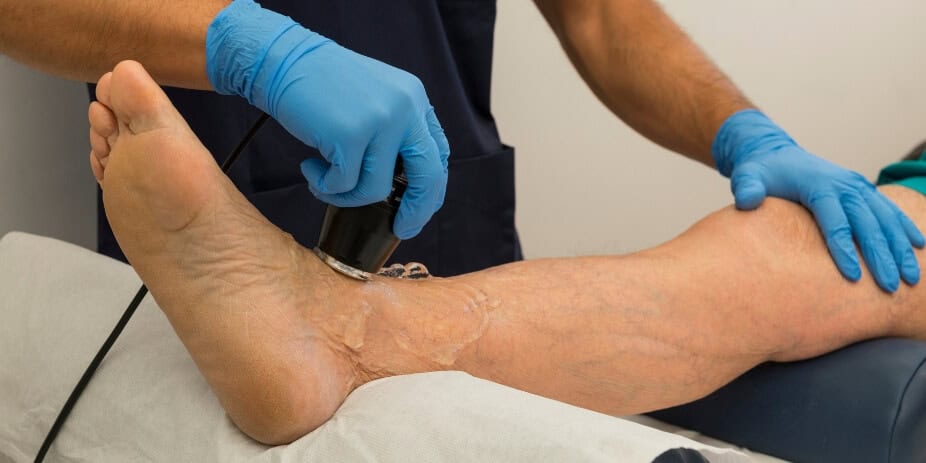
Venous ultrasound or duplex ultrasound is the gold standard for evaluating venous insufficiency. This non-invasive test uses sound waves to:
Venography: X-ray with contrast dye to see the vein structure.
CT or MRI: For more detailed views of deep veins.
These tests help identify specific areas of venous reflux or obstruction that may contribute to fatigue.
Confirming CVI diagnosis
To confirm a CVI diagnosis, doctors consider:
Clinical symptoms and signs.
Results from physical examinations.
Findings from imaging studies, especially venous ultrasound.
They may use the CEAP classification system to grade the severity of CVI. This system evaluates:
Clinical signs (C)
Etiology (E)
Anatomical distribution (A)
Pathophysiology (P)
Blood tests might be ordered to rule out other conditions causing fatigue. The healthcare professional will also assess how venous issues affect the patient’s quality of life and energy levels.
Treatment and management
Effective management of venous insufficiency involves a combination of medical procedures and lifestyle modifications. These approaches aim to alleviate symptoms, improve circulation, slow progression, and prevent complications.
Lifestyle adjustments
Compression therapy is a cornerstone of venous insufficiency treatment. Graduated compression stockings apply pressure to the ankle and lower leg, increasing the upward flow of blood back toward the heart and away from pooling in the lower limbs.
In addition to compression stockings, the following changes may help ease your symptoms:
Superficial thrombophlebitis is one potential consequence, a condition characterized by the inflammation of a vein just beneath the skin, usually accompanied by the formation of a blood clot.
Venous leg ulcers are another severe complication. These painful, open sores typically develop on the lower legs and can be difficult to heal without proper treatment.
Poor circulation resulting from venous insufficiency may cause skin changes. The affected area might become discolored, thickened, or develop a rash-like appearance.
Chronic pain and swelling in the legs are common symptoms that can worsen over time if left untreated. This discomfort may significantly impact a person’s quality of life and mobility.
In some cases, untreated venous insufficiency can lead to cellulitis, a bacterial skin infection. This condition requires prompt medical intervention to prevent further complications.
Frequently asked question
Venous insufficiency can lead to various symptoms, including fatigue. Understanding the connection between circulatory issues and tiredness is crucial for managing this condition effectively.
Yes, poor circulation from venous insufficiency can cause fatigue. When blood doesn’t flow properly back to the heart, it can lead to feelings of heaviness and tiredness in the legs. This leg fatigue may contribute to overall body fatigue.
The reduced blood flow can affect oxygen delivery to muscles and tissues, potentially leading to generalized fatigue.
Venous reflux, a common feature of venous insufficiency, can indeed cause fatigue. It occurs when valves in the veins fail to close properly, allowing blood to flow backward.
This inefficient blood flow can lead to pooling in the legs, causing discomfort and fatigue. The extra effort required to pump blood against gravity may also contribute to overall tiredness.
Early warning signs of venous insufficiency include swelling in the legs and ankles, especially after standing for long periods. Patients may experience aching, heaviness, and leg tiredness.
Visible varicose veins or spider veins can also be early indicators. Some individuals may notice skin changes, such as dryness or itchiness, particularly around the ankles.
Red flags for venous insufficiency include persistent leg pain that worsens with standing or sitting. Skin ulcers that don’t heal, particularly near the ankles, are serious signs.
Significant swelling that doesn’t improve with elevation and skin discoloration, especially a reddish-brown color near the ankles, are concerning symptoms.
Individuals with venous insufficiency should avoid prolonged periods of standing or sitting. These positions can worsen blood pooling in the legs.
High-impact exercises that put excessive strain on the legs, such as long-distance running, may exacerbate symptoms. Instead, low-impact activities like walking, swimming, or cycling are often recommended to improve circulation.
Bottom line:
Chronic venous insufficiency (CVI) can significantly impact your overall well-being. Recognizing the signs, such as fatigue, can lead to timely diagnosis and management, ultimately improving quality of life. Through lifestyle adjustments, medical treatments, and ongoing care, the progression of venous insufficiency can be mitigated.
It is crucial to consult healthcare professionals for personalized guidance, ensuring both symptom relief and preventing potential complications.
At Vein Envy™, we follow rigorous sourcing standards to ensure our content is accurate and up-to-date. We rely on trusted primary sources, including peer-reviewed research, academic institutions, and leading medical organizations. Our commitment is to provide reliable information you can trust. Notice an error? Reach out to us here.
This content is intended for informational purposes only and should not be considered a substitute for medical advice. It is important to seek guidance from a healthcare provider for professional support. Always consult your doctor to understand the risks and benefits associated with any treatment option.
Contact Vein Envy to schedule an initial consultation. During this appointment, you can discuss your symptoms, review recommended diagnostic tests, and explore potential treatment options.